
Indian Trade Links

How Dust Control Works

Understanding how dust control systems work is key to selecting the right solution for your site. At Indian Trade Links, we offer advanced systems that combine cutting-edge technology with proven techniques to efficiently manage dust in industrial environments.

Our dust control solutions are based on a mix of dust suppression techniques, dust collection processes, and adaptable methods tailored to your operational needs.

How Our Dust Control Systems Work

Dust control systems function by either preventing dust from becoming airborne or capturing it once it’s already in the air. The goal is to control dust at the source and ensure it doesn’t spread, endanger health, or interfere with operations.

These systems can be:

  • Active (using water sprays, mists, or fog to suppress dust)
  • Passive (using barriers, covers, or enclosures to contain dust)
  • Mechanical (using vacuums, filters, and fans to collect and remove dust)
Core Principles:
  • Containment: Stop dust at the source using enclosures or hoods.
  • Suppression: Bind dust particles with moisture using misting or fogging.
  • Collection: Extract and filter dust using specialized equipment.

Dust Suppression Techniques

Our systems use a variety of dust suppression techniques based on the type of dust, environment, and industry.

Common Techniques Include:
High-Pressure Misting

Fine water droplets are sprayed to capture airborne particles.
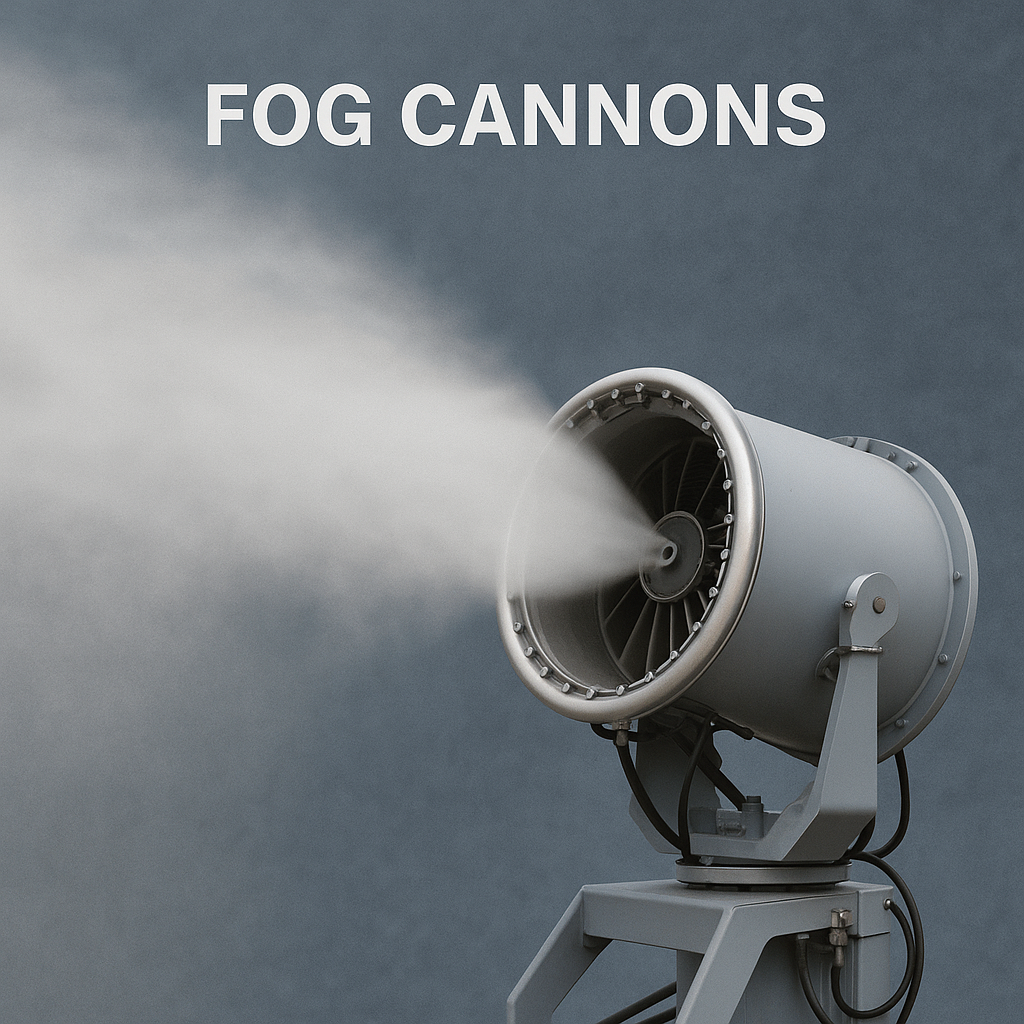
Fog Cannons

Wide-area dust suppression using powerful mist-blowing systems.
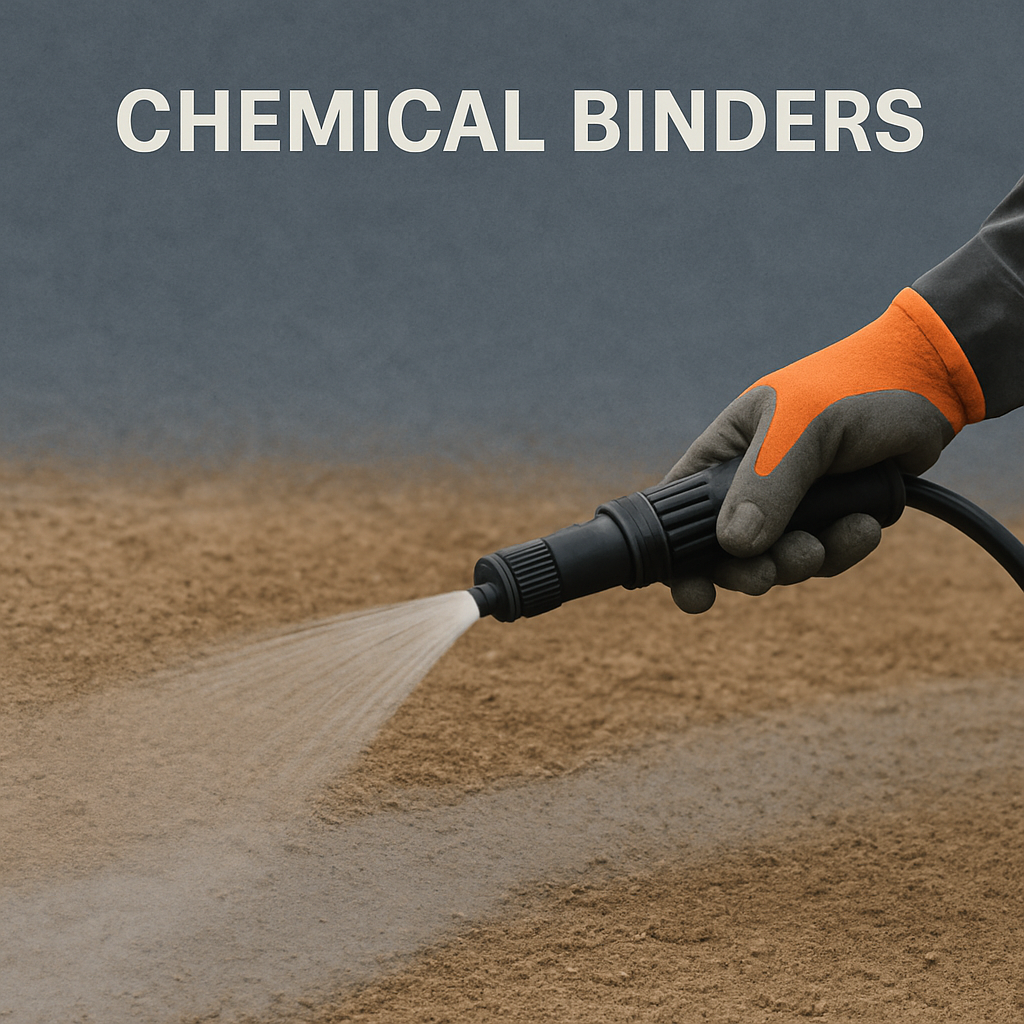
Chemical Binders

Non-toxic additives sprayed on surfaces to prevent dust generation.
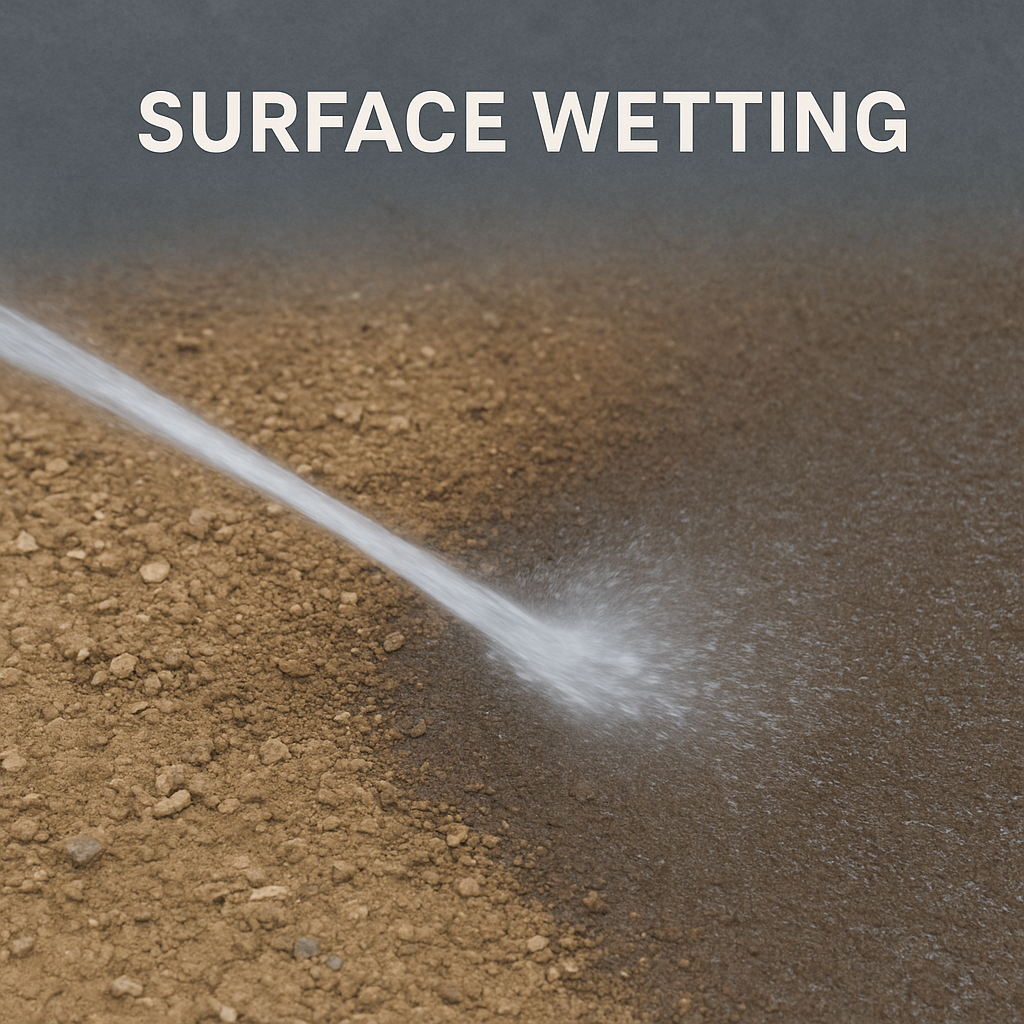
Surface Wetting

Keeps loose materials like soil and aggregates damp to minimize dust lift-off.

These methods are ideal for:

  • Construction and demolition sites
  • Roads and haul routes
  • Stockpiles and material handling areas

Dust Collection Process

The dust collection process focuses on capturing airborne particles through mechanical or electrostatic means. This is often used in enclosed or semi-enclosed environments like factories, warehouses, and processing plants.

Steps in the Dust Collection Process:

Applications:

01
Air Intake

Dust-laden air is drawn into the collection system.

02
Filtration

Air passes through filters (e.g., baghouse filters or cartridge filters) that trap dust particles.

03
Clean Air Release

Filtered air is safely discharged back into the environment.

04
Dust Disposal

Collected dust is stored in hoppers or containers for safe removal.

Dust Control Methods Tailored to Your Needs

There is no one-size-fits-all solution when it comes to dust control methods. That’s why Indian Trade Links offers site-specific systems designed after evaluating your dust sources, industry standards, and operating conditions.

Our Custom Approach:

Want to learn more about how dust control systems work for your specific needs? Contact Indian Trade Links for expert guidance, system design, and installation of efficient, compliant, and cost-effective dust control solutions.